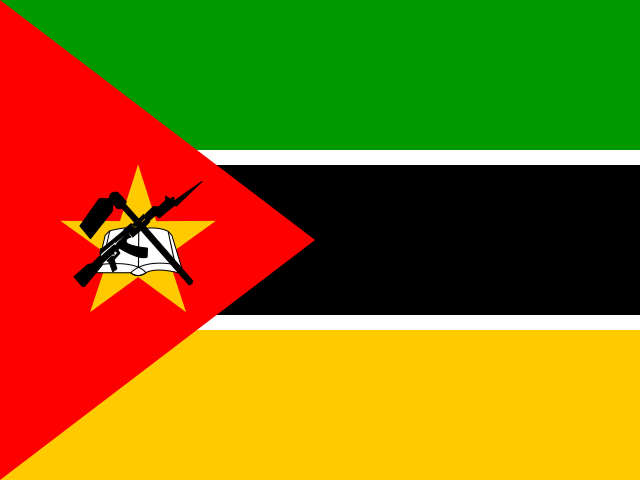
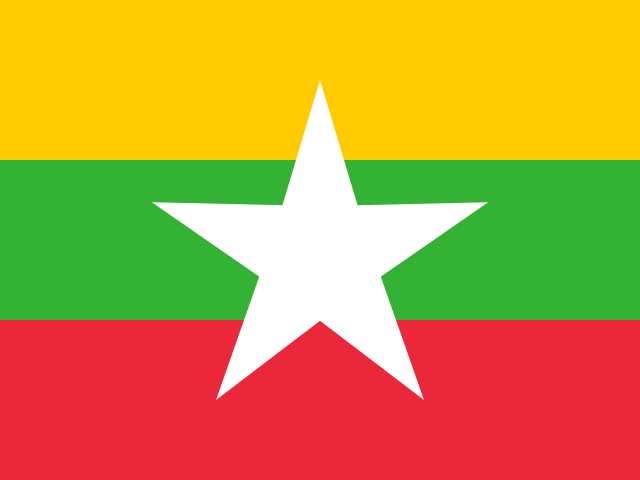
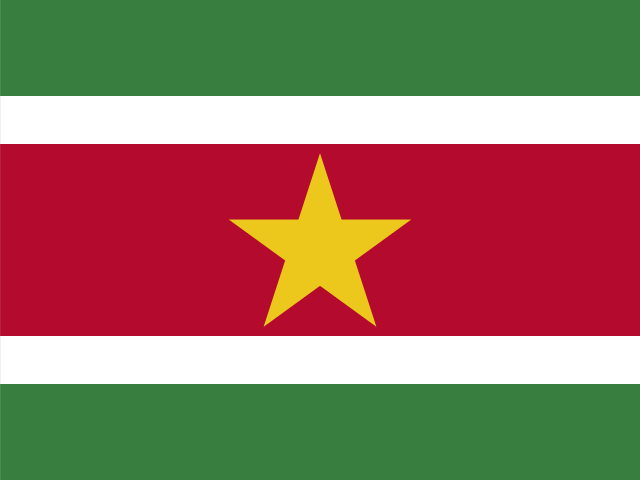
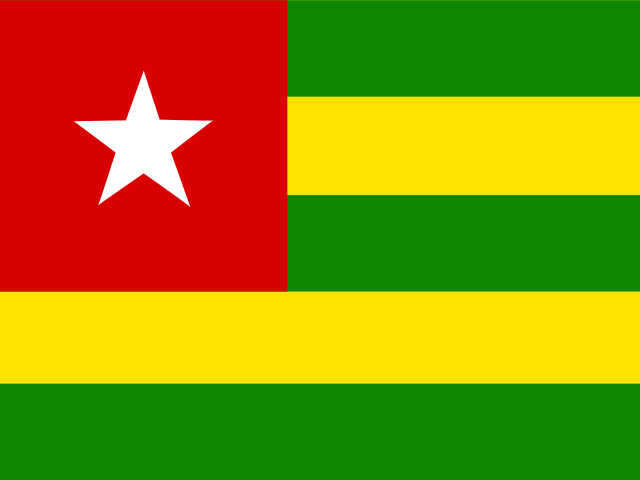
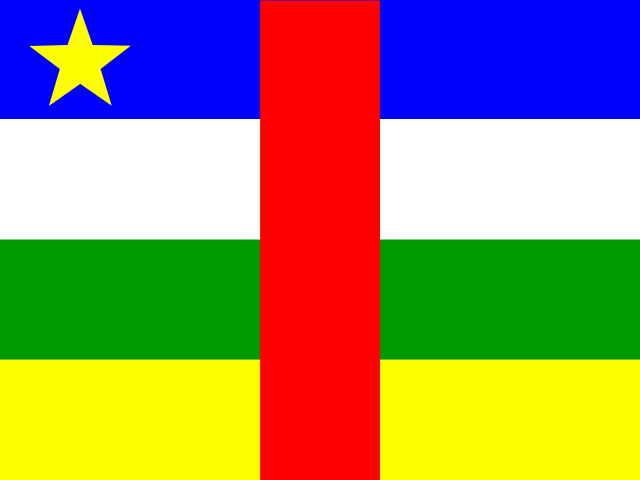
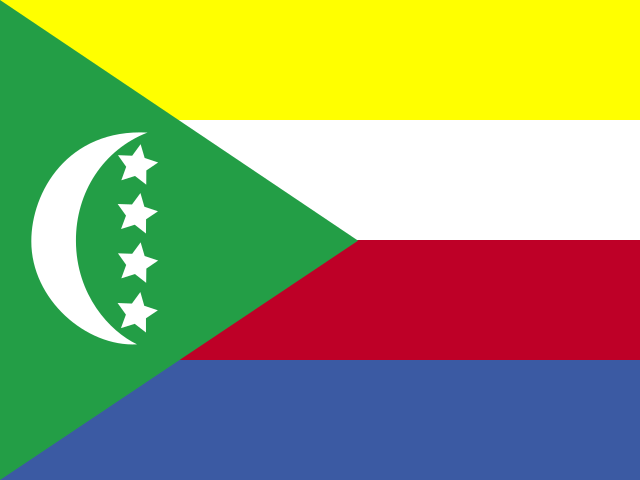
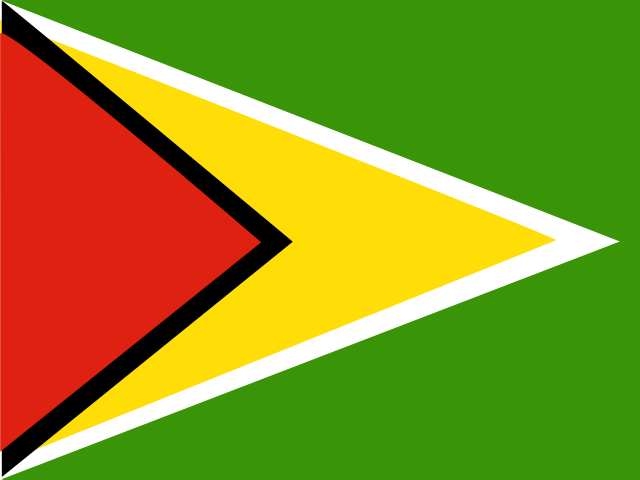
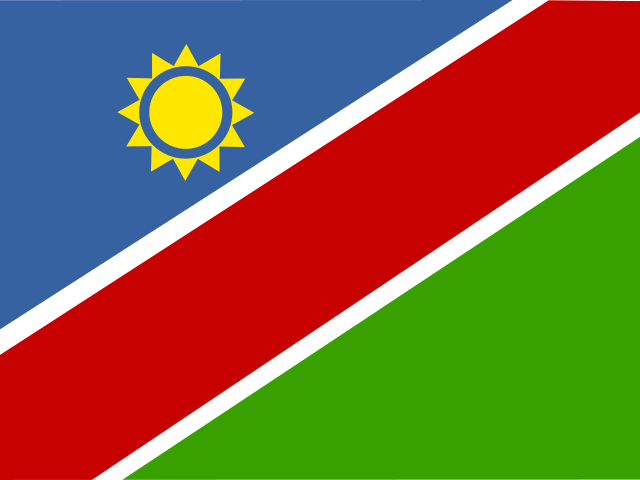
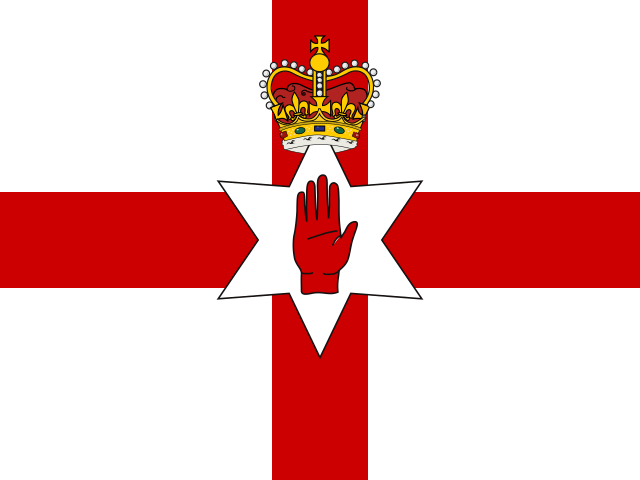
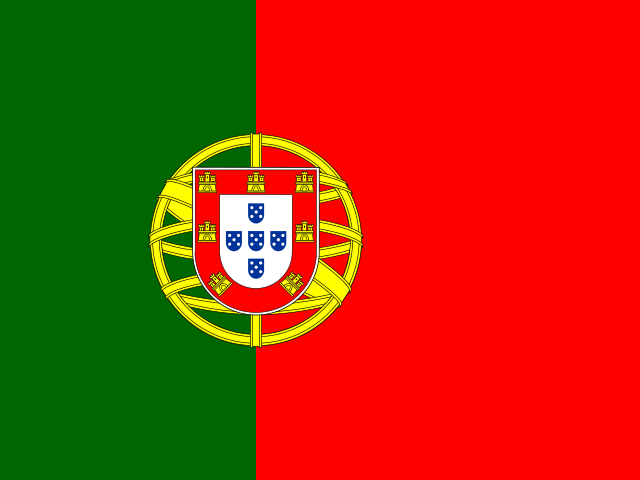
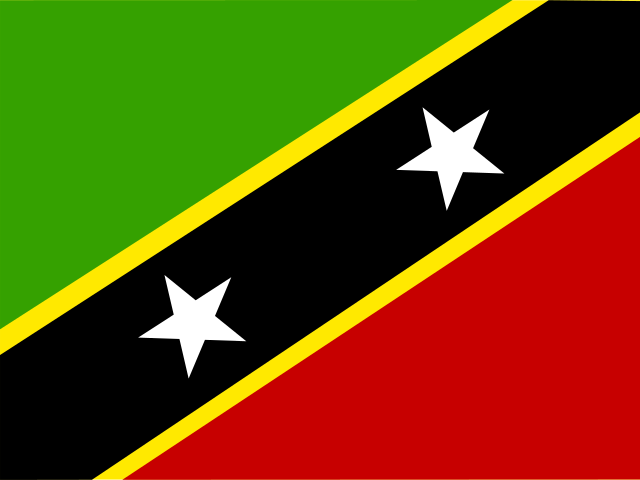
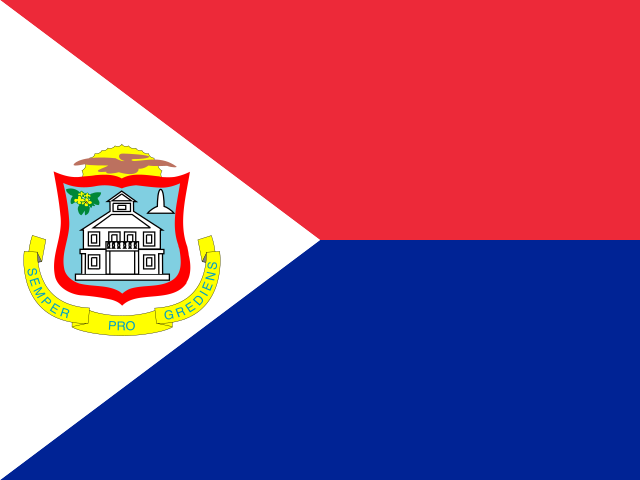
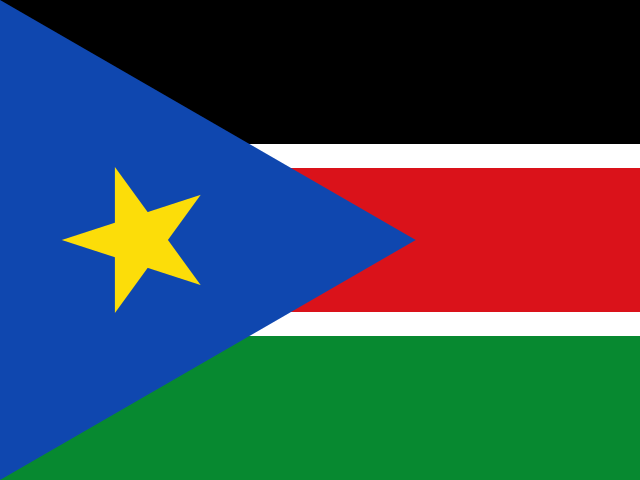
Green commonly symbolizes nature, agriculture, and fertility in flag design. It is especially prominent in African nations, where it represents the land and natural resources, and in Islamic countries, where it is associated with faith. Green conveys life, renewal, and hope, making it a powerful color for national identity. Countries like Nigeria, Brazil, and Saudi Arabia showcase green prominently in their flags.
Yellow in Flags
Yellow (or gold) is frequently linked to wealth, prosperity, and the sun. It represents energy, optimism, and generosity. Many flags incorporate yellow to highlight natural resources or national wealth, such as Spain, Germany, and Brazil. In some cases, yellow has a religious meaning, symbolizing divinity or enlightenment. Its brightness makes it a striking choice in flag design, often paired with darker colors for contrast.
White in Flags
White traditionally stands for peace, purity, and honesty in flag symbolism. It is used either as a background or in combination with other colors to balance a design. The Japanese flag highlights purity and simplicity with its white field. Many nations use white to symbolize peaceful intentions or unity, including Switzerland and Finland. Its neutral quality makes white a foundational element in countless flag designs.