Green commonly symbolizes nature, agriculture, and fertility in flag design. It is especially prominent in African nations, where it represents the land and natural resources, and in Islamic countries, where it is associated with faith. Green conveys life, renewal, and hope, making it a powerful color for national identity. Countries like Nigeria, Brazil, and Saudi Arabia showcase green prominently in their flags.
Blue in Flags
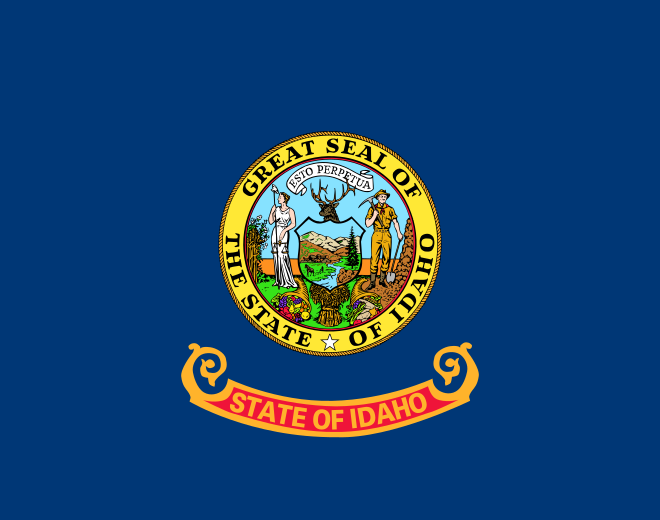
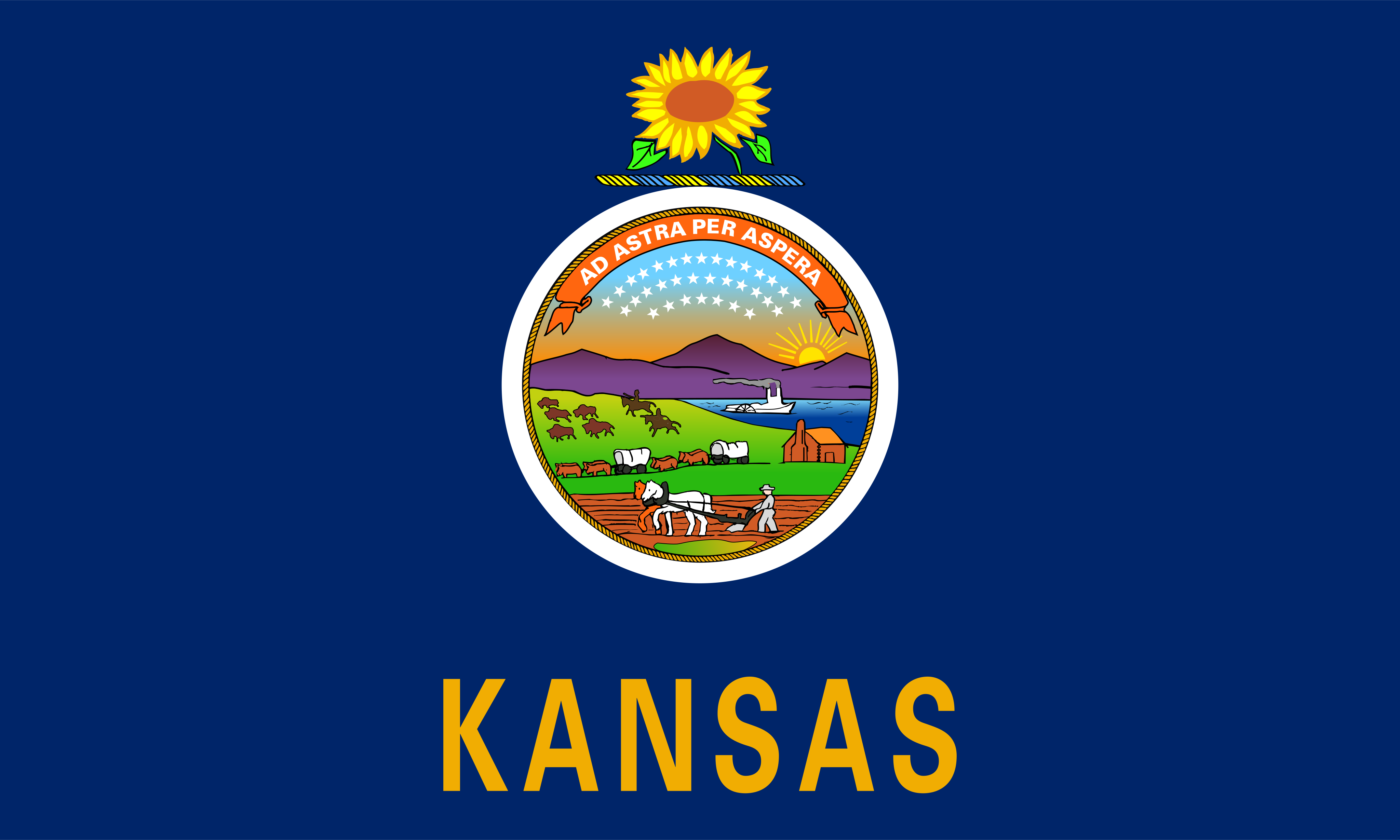
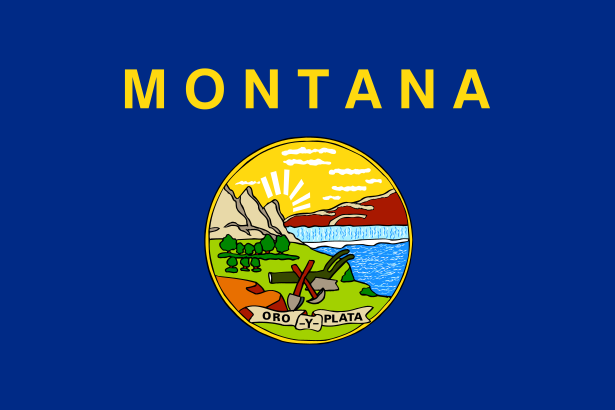
Blue is often used in flags to represent freedom, peace, loyalty, and the sky or sea. Many nations with coastlines or maritime traditions feature blue, such as Greece and Argentina. In other cases, blue reflects stability, truth, and justice, as seen in the flags of the United States and the European Union. The calming effect of blue makes it one of the most versatile and widely respected colors in vexillology.
Orange in Flags
Orange is less common in flag design but carries strong cultural meaning where it is used. It often represents courage, sacrifice, or the sun. In Ireland, orange signifies the Protestant community, while in India it symbolizes courage and sacrifice as part of the saffron band. The Netherlands historically associated orange with the royal House of Orange. Flags with orange stand out for their vibrant and energetic appearance.